
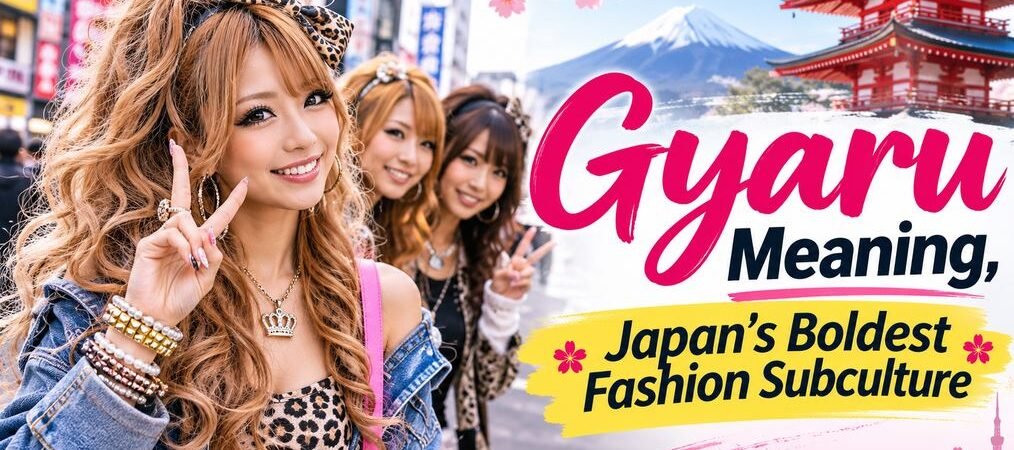
Few Japanese youth movements have lasted as long, or changed as often, as gyaru. The gyaru meaning is simple on the surface: it is a Japanese fashion subculture built around bright hair, dramatic makeup, and confident self-expression. Underneath, it is a story about rebellion, identity, and the way young women in Japan rewrote the rules of beauty from the streets of Shibuya.
Key Takeaways
- Gyaru is the Japanese pronunciation of the English word “gal,” and it describes a fashion subculture, not a single look.
- The movement grew from the 1970s and exploded in the 1990s around Tokyo’s Shibuya district.
- Major styles include ganguro, kogal, hime gyaru, onee gyaru, and agejo, each with its own rules.
- In anime and manga, gyaru characters are usually shown as loud, kind, and fashion-obsessed, often breaking the “mean girl” stereotype.
- Being gyaru is as much about attitude and confidence as it is about makeup or clothes.
Quick Answer: What Does Gyaru Mean?
Gyaru (ギャル) is a Japanese word borrowed from the English “gal.” It refers to young women who follow a bold fashion style marked by dyed hair, tanned or glowing skin, heavy eye makeup, and trendy outfits. Over time, the word grew into a full subculture with its own magazines, brands, slang, and communities.
What Does Gyaru Mean in Japanese?
If you are searching for the gyaru meaning in Japanese, here is the direct answer. In Japanese, gyaru is written in katakana, the script used for foreign loanwords. It is a phonetic version of “gal,” and Japanese speakers use it to describe both the people and the fashion world around them.
So when someone asks what does gyaru mean in Japanese, the best reply has two parts:
- The literal meaning: a “gal,” or a young, fashionable woman.
- The cultural meaning: a lifestyle of standing out, experimenting with beauty, and refusing to look “traditional.”
The word is not an insult. Most gyaru wear the label proudly. That said, tone matters. Japanese media sometimes used it to tease or judge young women in the past, so context counts.
Where the Word Gyaru Comes From
The word traces back to the 1970s. A Japanese jeans brand ran an ad campaign using the word “gals,” and the term stuck as a catchy label for stylish young women. Over the following decades, the spelling shifted to “gyaru” as the culture grew.
You may also see the word written as “gal” in Japanese magazines and shops. Both point to the same idea. The shift from “gal” to “gyaru” simply reflects how Japanese pronunciation reshaped the English word.
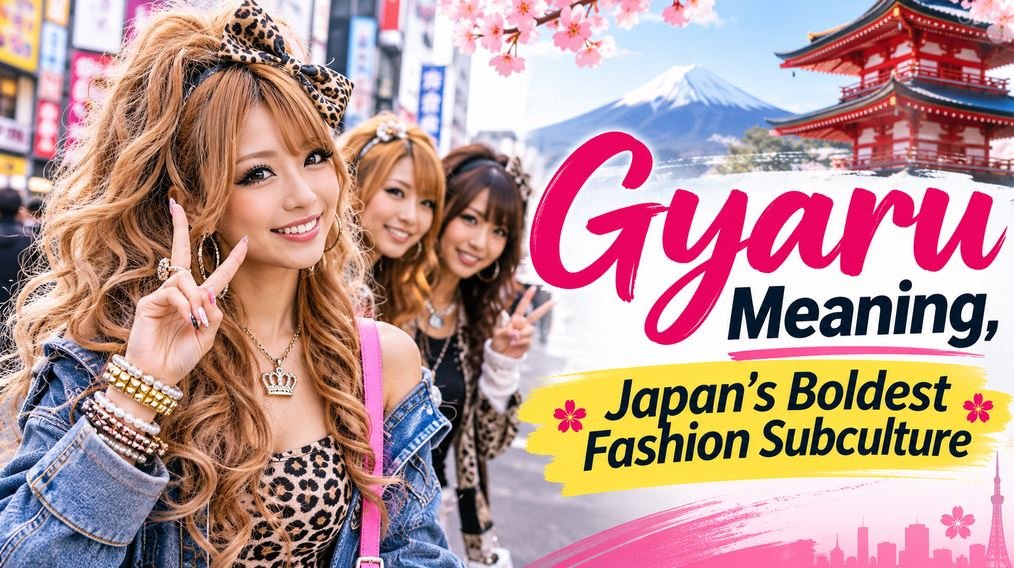
A Short History of the Gyaru Movement
Understanding the gyaru meaning means knowing how the scene changed over time. It never stayed still.
The 1970s and 1980s: The Early Gals
The first “gals” were trendsetters who loved Western fashion, denim, and music. They were not yet a subculture. They were simply young women who wanted to dress differently from the quiet, polite image society expected.
The 1990s: Shibuya Takes Over
This is when gyaru became a true movement. The Shibuya 109 shopping building became the heart of the scene, and teenage girls set trends that big brands followed. Singer Namie Amuro was a huge influence. Her fans, nicknamed “Amuraa,” copied her tanned skin, long brown hair, and platform boots.
Magazines like Egg and Popteen documented the style and gave young women a voice. Many gyaru created their own slang, phone decorations, and even a playful way of writing known as gyaru moji.
The 2000s: Many Styles, One Spirit
Gyaru split into dozens of sub-styles. Some leaned sweet and elegant, others leaned dark and rebellious. Brands such as Cecil McBee, Liz Lisa, and Alba Rosa became household names in the community.
The 2010s to Today: Quiet Change, Strong Roots
Street fashion in Japan shifted toward softer trends, and the classic gyaru look became less common on the street. But it never vanished. Today, gyaru enjoys a strong second life online. Fans on social media, especially outside Japan, share tutorials, outfit ideas, and history lessons. New fans are discovering the style every year.
Main Gyaru Styles Explained
There is no single gyaru look. The community is closer to a family of styles. Here are the best-known ones.
Kogal
Kogal began as a high school girl trend. Students rolled up their skirts, wore loose socks, and added light bleaching and makeup to their uniforms. It was a playful protest against strict school dress norms.
Ganguro and Yamanba
Ganguro, meaning “black face,” is probably the most recognized style worldwide. It features deep tanning, bleached hair, white eyeliner, and bright, colorful accessories. Yamanba and manba are even more extreme versions with bold face paint and neon colors.
Hime Gyaru
“Hime” means princess. This Startup nature style borrows from European royalty with big curled hair, lace, ribbons, and pastel or pink outfits. It looks glamorous and soft at the same time.
Onee Gyaru
“Onee” means older sister. This style is mature and polished, built around feminine dresses, neat makeup, and elegant accessories. Many working women in their twenties and thirties follow it.
Agejo
Agejo is a glamorous nightlife style with voluminous hair, dramatic lashes, and sparkling outfits. It became well known through the magazine Koakuma Ageha.
Other Popular Styles
- Rokku gyaru (rock gyaru): Mixes gyaru beauty with punk and rock fashion.
- Kuro gyaru: Focuses on tanned skin and a bold, sexy look.
- Gyaru-o: The male version of the movement, known for styled hair and trendy outfits.
Quick Comparison: Popular Gyaru Styles
| Style | Core Look | Main Mood |
|---|---|---|
| Kogal | Modified school uniform | Rebellious and youthful |
| Ganguro | Deep tan, bleached hair | Loud and daring |
| Hime Gyaru | Curls, lace, pink tones | Sweet and royal |
| Onee Gyaru | Mature dresses, neat makeup | Elegant and grown-up |
| Agejo | Big hair, sparkly outfits | Glamorous and bold |
Gyaru Meaning in Anime
Anime and manga have helped spread the gyaru meaning far beyond Japan. If you came here wondering about the gyaru meaning in anime, the answer is that it usually describes a fashionable, outgoing girl who stands out in a crowd.
Creators often use the gyaru character to challenge a stereotype. On the outside she looks flashy and carefree. On the inside she is often kind, hardworking, and loyal. That contrast is a popular storytelling tool.
Well-Known Anime and Manga Examples
- My Dress-Up Darling: Marin Kitagawa is a cheerful, fashion-loving girl who is passionate about cosplay and friendly to everyone.
- Gals!: This long-running manga follows Ran Kotobuki, a proud shibuya gal with a strong sense of justice.
- My First Girlfriend Is a Gal: A comedy romance that plays with the way people judge gyaru by appearance.
Why Gyaru Characters Are So Popular
Fans love how gyaru characters are written as confident and unapologetic. They break the idea that a girl must be quiet to be a good person. Many viewers also enjoy how these characters bring color and humor to a story.
One note of caution: anime sometimes exaggerates the look and personality for comedy. Real gyaru culture is more varied and more thoughtful than the cartoon version.
Gyaru vs. Similar Japanese Styles
People often mix gyaru up with other street fashion. A quick comparison helps.
- Gyaru vs. Lolita: Lolita fashion is modest, doll-like, and Victorian-inspired. Gyaru is bolder and more focused on tanned skin, hair color, and makeup.
- Gyaru vs. Harajuku style: Harajuku is a broad area of creative fashion. Gyaru is one distinct subculture that originally grew around Shibuya.
- Gyaru vs. Jirai kei: Jirai kei is a darker, pink-and-black style tied to a different community and mood.
Common Mistakes People Make
- Thinking gyaru means one single look. It does not.
- Assuming it is only a costume. For many, it is a long-term lifestyle.
- Using the word as an insult without understanding the culture.
- Believing the 1990s ganguro look is the only form of gyaru.
- Copying the style without learning where it comes from.
Expert Tips for Understanding Gyaru
Cultural researchers and fashion writers who cover Japan often stress that gyaru is about identity first and appearance second. A few practical tips can help if you are new to the topic.
- Start with the history. Learn about Shibuya 109 and the 1990s scene to see why the movement mattered.
- Explore magazines and brands. Egg, Popteen, and Liz Lisa show how the style evolved.
- Look at sub-styles separately. A hime gyaru and a kuro gyaru follow very different rules.
- Respect the origins. If you try the look yourself, take time to understand the culture behind it.
- Follow trusted sources. Japanese fashion archives, cultural museums, and long-time community members offer the most reliable context.
Benefits of Learning About Gyaru Culture
Knowing the gyaru meaning is useful for more than curiosity.
- It helps you understand Japanese youth culture and how fashion can express independence.
- It makes anime and manga more enjoyable, since you will spot references and character traits.
- It gives creators and writers an accurate base for depicting gyaru characters.
- It shows how a local trend can grow into a global community.
Conclusion
The gyaru meaning goes far past a word borrowed from English. It describes a movement that began with a jeans ad, grew in the shops of Shibuya, and became a lasting symbol of youthful confidence in Japan. Whether you are asking what does gyaru mean in Japanese, curious about gyaru meaning in anime, or simply exploring a new subculture, the core idea stays the same: be bold, be yourself, and do not apologize for standing out.
Gyaru has changed shape many times, yet its heart has remained steady. That is why new generations around the world still find it worth learning about.
Frequently Asked Questions
What does gyaru mean?
Gyaru is the Japanese pronunciation of the English word “gal.” It refers to a fashion subculture in Japan known for dyed hair, bold makeup, and confident style. The term covers many sub-styles, including ganguro, kogal, hime gyaru, and onee gyaru. It is a lifestyle as much as a look.
What does gyaru mean in Japanese?
In Japanese, gyaru is written in katakana and means “gal,” a trendy young woman. Culturally, it stands for a movement that celebrates independence and creative beauty. People usually use it as a neutral or positive label, though tone and context can change how it sounds.
What is the gyaru meaning in anime?
In anime, a gyaru is typically a fashionable, outgoing girl with bright hair and a lively personality. Stories often show her as kind and loyal despite her flashy look. Characters like Marin Kitagawa from My Dress-Up Darling are common examples.
Is gyaru the same as ganguro?
No. Ganguro is one specific style within the larger gyaru culture. It is known for deep tans, bleached hair, and white eyeliner. Gyaru is the broader umbrella that also includes kogal, hime gyaru, onee gyaru, agejo, and many other looks.
Is gyaru still popular today?
Gyaru is less common on Japanese streets than in the 1990s and 2000s, but it is far from gone. Dedicated communities, brands, and online creators keep it alive. Social media has also introduced the style to new fans around the world.